Some questions in UKMT competitions look tricky before you’ve even started. The wording might feel unfamiliar, or there could be too many steps packed into one problem. This can feel overwhelming at first, especially if the maths itself isn’t the issue.
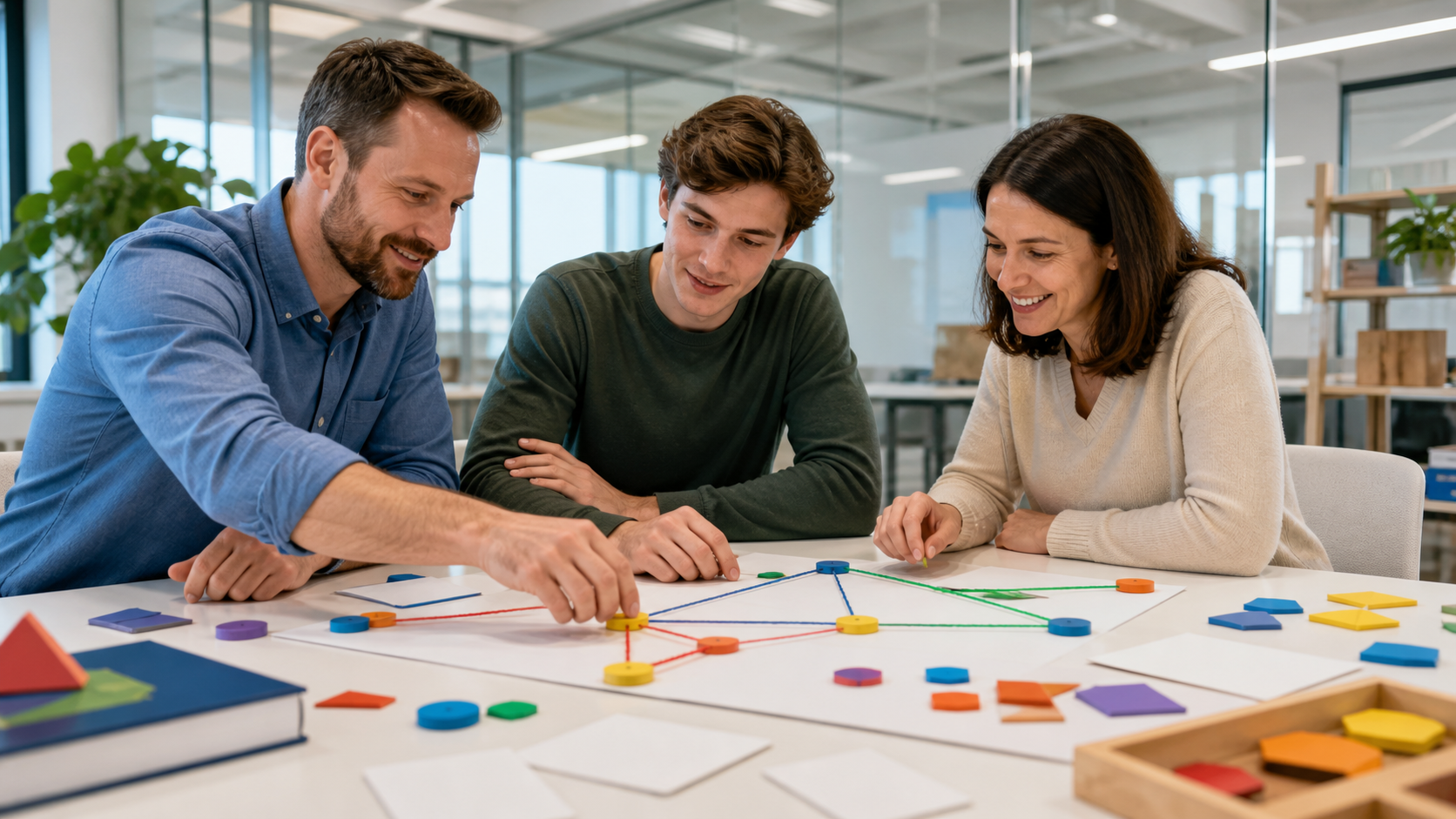
But a lot of students find that when they use pictures or sketches, the problem becomes clearer. Visual thinking can be a smart way to break big challenges into small steps. When you draw something out or make a layout on the page, it helps your brain see connections that might be hard to notice with words alone. You don’t need to be good at drawing, either. Even a quick sketch can turn a confusing setup into something far more manageable.
Drawing ideas out is not just helpful for long word problems. It gives the brain something to hold onto. Patterns surface more easily, and students can follow their thinking with less backtracking. That’s a skill well worth building for anyone preparing for UKMT competitions here in the UK.
Seeing the Problem, Not Just Reading It
Reading a long problem can sometimes feel like trying to remember a whole story in your head. By the time you get to the last sentence, the first bit is already fading. When that happens, a simple picture can bring it all back.
- A number line helps when students need to understand ranges, gaps, or positions.
- A grid can show arrangements of people, objects, or places when the question is about layout.
- Drawing shapes, paths, or even stick figures can bring movement problems to life.
Problem-solving gets quicker when you don’t have to guess what goes where. You see it in front of you. Visually laying things out keeps all the key bits in play. It stops students from chasing the wrong part of the question or guessing where to start. It can also turn a tough-looking word puzzle into steps they already know how to handle.
Spotting Patterns and Connections
One of the things that makes UKMT competitions unique is how often patterns hide in the setup. These aren’t always shown directly. Sometimes, they only become clear once the information is mapped visually.
When students sketch things out, they’re more likely to notice:
- Matching sides or shapes repeating within a diagram
- Hidden symmetries that weren’t obvious at first
- Number sets or patterns like squares, primes, or multiples that slowly appear
These visual clues can save a lot of thinking time. You’re no longer trying to hold all the parts in your head. Instead, they’re in front of you, ready for spotting. It’s not magic. It’s just giving your brain a better way to connect ideas.
Without visuals, it’s easier to miss these cues entirely. Even strong students often spot the pattern on the second try, after they finally decide to sketch it. With practice, that sketch comes first, not after an error.
When Words Make It Harder
Some UKMT questions are long. Really long. And not because the maths is hard, it’s the way the problem is written. Sentences stack up, leaving students wondering what’s actually being asked.
That’s often the point. These problems are built to be read slowly and carefully. But a visual approach can speed up understanding while keeping things accurate.
- A confusing setup might be explained with a quick diagram or map
- A tricky description becomes easier when you turn it into arrows, boxes, or lines
- You can often cut down ten lines of reading into a five-second glance at your picture
When the words feel like a wall, drawing helps make a door. It gives the eyes somewhere else to focus and the brain a second way to think. Many students move from unsure to confident just by having a picture to guide the way. It’s not about replacing reading, but adding something that supports it.
Using Visuals to Stay Confident
Tricky competition questions don’t just test maths, they test nerves. During a paper, pressure can build fast. Feeling stuck is normal, but the panic it causes makes mistakes more likely.
That’s where a small sketch or drawn outline can help keep things steady.
- Drawing gives students something to do while they think, instead of sitting still and overthinking
- A rough diagram acts like an anchor, when stuck, students can glance back to it to refocus
- Even if the answer isn’t clear yet, seeing the problem on paper gives the brain traction
This kind of thinking does not slow students down. It gives them the time they actually need. When they start by drawing, they often move quicker through the steps because they’ve already made the structure they need.
It’s a confidence thing, too. Starting with a visual plan can turn an “I don’t know” feeling into “Let’s see what I’ve got.”
Clearer Ideas Make for Stronger Thinking
Many of the most confusing setups in UKMT competitions only look hard at first. Once broken into parts, and especially when those parts are drawn out, the logic becomes clearer. Students realise they don’t have to solve the whole thing at once. They just have to understand what’s given and what’s being asked.
When we build these habits during practice, problem-solving becomes less about memory and more about thinking. Students stop guessing and start noticing important details. They go from beating themselves up for missing a step to feeling in control of the question in front of them.
A strong visual habit doesn’t take fancy materials or lots of time. Often, it’s just a pencil and the decision to make quick marks before jumping to answers. With autumn term in full swing and colder days keeping us indoors, now’s a great time to bring those habits into regular practice. It makes the next round of UKMT prep feel far smoother. And most importantly, it lets students show the thinking they’ve worked so hard to build.
When tackling challenging UKMT competitions, every small advantage can make a difference. Visual techniques are a powerful tool to create clarity in complex problems, helping students spot patterns and connections they might otherwise miss. At Learnfluid, we believe in nurturing these skills to build confidence and improve performance. To find out how we can support your child’s success in UKMT competitions, reach out today and let us help them gain an edge.