
Understanding the Role of Logic Chains in UKMT Problem Solving

Logic chains might sound a bit tricky at first, but they’re simply a series of connected steps used to solve a problem. One idea leads to the next, like links in a chain. If each link makes sense, then the whole chain works. In maths, this kind of thinking helps us stay organised and spot smart moves. In UKMT competitions, logic chains show up all the time. The questions are often short, but they ask for clever thinking. Instead of just using a formula, students need to figure things out step by step. That’s where logic chains come in. They help break the problem into smaller parts that are easier to solve. Once students get used to this way of thinking, they tend to feel calmer and more focused during the test. What Is a Logic Chain and How Does It Work? When we talk about a logic chain, we mean using one clue or idea to find the next one, and then using that to find the next, and so on. Each step helps build the whole answer. If one step is wrong, the rest of the chain might not work either. Let’s say we’re solving a number puzzle. The question gives a clue like, “The number is bigger than 20 but smaller than 30.” That tells us the number is somewhere between those two points. The next clue might be, “It’s an even number.” Now we know it must be 22, 24, 26 or 28. The next clue might say, “The number ends with a 6.” So now we know the answer must be 26. That’s a basic example, but it shows how small steps lead us to the right result. Logic chains help us collect what we know, sort it, and use it to move forward. We’re not jumping to conclusions or guessing. We’re looking at clues one at a time, thinking carefully, and building a clearer picture with each bit that makes sense. It’s important to see that each piece of information acts like a checkpoint, moving us forward through the problem. Every step relies on the one before it, so our thinking needs to stay organised. If we pay close attention to the clues, we build a steady path towards the answer. This approach allows us to avoid confusion and keeps our working clear, both to ourselves and anyone checking our answers. Why Logic Chains Matter in UKMT Questions During UKMT competitions, many of the questions can’t be solved in just one go. They require several small decisions to get to the final answer. That’s exactly where logic chains come in. They help students deal with multi-step problems in a calm, thoughtful way. The questions don’t often tell you directly what to do. They ask things that seem simple but lead to much deeper thinking. If someone tries to guess or jumps straight to a formula, they might get lost. But if they stop and look for useful clues, they can slowly work their way through it. Here’s where the chain starts to matter: When students learn to spot those links, tough questions feel a lot kinder. Instead of facing a wall, they focus on the next bit they do understand. That makes a big difference. Logic chains encourage persistence. Since each part of the problem builds on the last, students learn to look for structure and keep moving forward. It helps them develop patience, making it easier to recover from setbacks or confusing sections. Steady progress, even if slow at first, often produces better results. Practice Makes Logic Stronger Lots of students find the first step is the hardest. It’s not always easy to know where the chain begins. But like with any skill, the more you try it, the quicker it becomes part of your thinking. We often say, start slow. If you rush, you might skip a clue or miss something small but important. Try the puzzle like a story. Ask, “What do I know already?” Then build on that. One clue should help shape your next move. Starting with simpler practice questions helps the brain sink into the right rhythm. Over time, patterns start to jump out faster. That’s when logic becomes a habit. It also helps to avoid bouncing around or guessing too soon. If a student guesses the middle of the chain without a solid first clue, the whole thing can fall apart. But when a student takes it step by step, they stay calm, even if they don’t finish every question. That calm shows up in stronger scores and more confident thinking. Making consistent progress is the key. Solving one clue at a time, instead of trying to tackle everything at once, takes practice but gets easier. As you become more familiar with the process, the path from first clue to final answer feels less mysterious. This is how logic chains help transform a challenge into something manageable. Common Mistakes in Logic Chain Thinking Logic chains work well when each step is clear. But it’s easy to rush and make mistakes that throw off the whole path. Some of the most common ones we see are: These mistakes happen when students try to go too fast, or when they feel pressure to find an answer quickly. That’s why we teach students to slow themselves down, check each clue, and trust the process. Careful thinkers often find more success, even if they only answer half the questions. Quality over quantity matters a lot in challenges like these. If one link is weak, the rest of the chain doesn’t hold. That’s why checking your own steps is just as important as finding the next one. Another stumbling block comes from misunderstanding the order of clues. Swapping two key steps can lead to a completely different, and incorrect, solution. Reviewing work at each stage can help prevent this problem. Double-checking the logic not only catches mistakes but also strengthens understanding of the problem. A Smarter Way to Tackle Tough Questions
Why Mindset Shifts Help UKMT Prep More Than More Worksheets

It’s easy to think that doing more worksheets is the best way to prepare for UKMT competitions. After all, practice makes perfect, right? But the truth is, endless page-turning doesn’t always work. What often matters more is how students think, not just how much they do. As the new school year approaches and students across the UK start gearing up for these challenges, now is a good time to talk about how shifting mindset can make a difference. A fresh way of thinking turns practice into proper learning. It can lower stress, boost confidence, and bring better results without needing to cram in more and more problems. Stepping into the world of maths competitions feeling steady and well-prepared usually comes from having the right mindset, not just a huge pile of finished practice sheets. Why More Worksheets Don’t Always Equal Better Prep Worksheets have their place. They can help build fluency and get familiar with question formats. But relying on them too much can backfire. The truth is, more isn’t always better. A mountain of worksheets might give the feeling of progress, but without the right mindset, it’s easy to miss what the prep is really about, thinking clearly under pressure, spotting patterns, and solving unusual problems. Instead of just focusing on how many questions have been answered, it’s better to ask what each session is teaching us and whether we’re learning to approach unfamiliar challenges more confidently. How a Growth Mindset Builds Real Problem-Solving Skills If a student believes they’re either “good at maths” or not, they can get stuck fast. That belief turns mistakes into proof they’re failing, instead of chances to try something different. A growth mindset flips that. Changing mindset takes time, but even small shifts can improve how kids approach tricky challenges. Instead of freezing or rushing through guesses, they slow down, think aloud, and work things out. And when students can face hard problems without panicking, they do better, not just in competitions but across every part of their learning. This switch in attitude helps students view mistakes as valuable, helping them learn and try out new plans instead of giving up. Spotting Patterns Instead of Just Practising Problems Too much focus on answers means students can miss what’s really being tested. Many UKMT questions include small twists or hidden clues that tell you where to look. Learning how to notice those patterns is as useful as solving. This skill grows with mindset. Students become more curious, not just careful. Instead of jumping into each question the same way, they pause, ask what it’s really asking, and figure out a smarter path forward. Learning to notice these details and patterns is a skill that grows over time and will help not only with UKMT competitions but with any problem-solving situation. The Role of Support and Small Wins in Changing Mindset Mindset change doesn’t happen just by trying harder. Support matters. Feeling stuck alone in front of the same worksheet doesn’t help anyone. But having someone to talk things through with can unlock all sorts of progress. This kind of help doesn’t need to be fancy. Sometimes it’s just having someone say, “Try it another way,” or “What might be missing?” That’s the kind of support that teaches students to slow down, look again, and keep thinking, key skills in any UKMT round. Sharing the process can be just as important as sharing results, helping students realise they are making progress, even if it feels slow at times. From Worksheets to Big Wins: What Really Helps Students Improve At the end of the day, filling in more worksheets might help with speed or recall, but it doesn’t always build what students need for success. Stepping back to think about how they’re approaching maths can do much more. Instead of powering through endless problems, students benefit from taking time to talk about tricky parts, celebrate when they find something new, and focus on how they solved it. Building confidence and flexibility helps students handle whatever challenges they face in competitions or class. Making real progress comes from learning to deal with pressure, finding ways to stay calm, and building curiosity, not just getting faster on familiar questions. These are the habits that last. Growth Mindset Guidance for UKMT Competitions That kind of progress isn’t always quick, but it lasts. And once students learn how to think through difficult problems, rather than race through easy ones, they’re better set up for UKMT competitions and whatever comes next. When students practice taking on unfamiliar problems with a steady mind, they end up much stronger across all kinds of maths, not just the ones they see on practice pages. At Learnfluid, we focus on helping students cultivate a growth mindset that transforms how they approach UKMT competitions. Our dedicated tutors emphasize clear thinking and strategic planning, encouraging students to tackle complex problems with ease. Let’s embark on this journey together to make each challenge a stepping stone to greater success. Contact us today to see how we can help your child succeed.
A Closer Look at UKMT Answer Grids and Marking Clues

If you’re getting ready for one of the UKMT competitions, the problems are only part of what matters. How you fill in your answers makes a big difference too. The UKMT uses special grids for answers, and the way you use them can affect your score more than you might think. These grids aren’t just about being neat, they’re part of how the test works. Unlike regular school maths tests, UKMT questions are built to be solved with care. Random guesses or messy work can hurt more than help. But once you understand how the papers are set up, you can spot small but helpful clues in the layout. Over time, paying attention to those details can save you from common mistakes and even help you pick up marks that others may miss. With autumn practice season coming up, this is a great time to build habits that match what the UKMT is truly testing. How UKMT Answer Grids Work Each UKMT paper comes with its own way of collecting answers, depending on the level. Whether it’s Junior, Intermediate, or Senior, all of them use answer grids to speed up marking and avoid confusion. These answer grids help markers get through papers quickly and fairly. But if your numbers are unclear or not in the right space, your answer could be skipped, even if it’s actually right. That’s why it helps to slow down for a second and double-check how you’re filling things in. Keep these tips in mind: Simple habits like these make a real difference when someone is checking hundreds of papers at once. It’s helpful to practise filling in answer grids before competition day. Even students who are confident with maths sometimes lose marks from putting an answer in the wrong place. Try printing out blank grids from UKMT practice materials, then fill them in as you go through past questions. This not only makes you familiar with how the answer sheet looks, but teaches you to check your work as part of your solving routine. That extra moment spent lining up your answer correctly can make the difference between full marks and missing out. What the Marking Scheme Really Looks For The way UKMT competitions are marked can surprise students used to regular classroom tests. Not all rounds treat answers the same, and guessing in the wrong round could actually drag your score down. Even little things count. A ‘5’ that looks like a ‘6’, or a rushed squiggle instead of a proper number, can throw off the person marking your work. And when every point matters, that’s not something you want to risk. It’s normal to feel rushed when the clock is ticking, but keeping answers neat is worth the effort. If your writing gets messy, pause for a second and focus on one answer at a time. Often, it is harder for markers to interpret a rushed “2” that looks like a “7”, or a decimal point that blends into the line of the box. Slow and careful answering is a skill you can practise. Try timing yourself, but always check that each digit or letter you write would be easy for someone else to read. The extra time may seem small, but it can save you losing points for something as simple as an untidy answer. Clues Hidden in the Question Format The way a UKMT question is written can often give hints about what kind of answer is expected. Spotting those clues can save time and help avoid errors. The more you practise spotting these small clues, the quicker you get at knowing what to aim for. That comes not just from solving the questions, but from looking back and checking how the answer format lined up with what the question was really after. Sometimes, the question itself gives away the answer style. For example, when the question says, “give your answer as a fraction in its simplest form,” you know immediately how your answer should look. Don’t ignore directions like that in the rush to finish quickly. If you see a box that looks bigger than others, it may mean you need to write a multi-digit answer or include a fraction bar. Reading the format carefully can help you double-check your final step and avoid losing easy points. Practising with Marking in Mind When you’re working through past papers or practise questions, it helps to act like you’re in a real UKMT setting. Building habits that match the real marking system can make a big difference when competition day arrives. By learning from those little details now, you make fewer of the same mistakes later. Reviewing your answers after practising is a step many students skip, but it’s one of the best ways to improve. Look for patterns in mistakes, like answers written just outside a box or numbers that look too similar to each other. When you practise with the real format, think about what would make it easy for someone else to mark your work. You can even ask a friend or family member to read one of your answer sheets and tell you if every answer is clear and in the right place. Getting into this habit helps you see your work through fresh eyes and avoid easy errors when it counts. Build Confidence by Understanding the System UKMT competitions are not just about getting the right answer as quickly as you can. They’re worksheets designed to reward careful, thoughtful work from start to finish. That means noticing how your answers are recorded and marked is just as important as solving the maths itself. Taking time to understand the answer process is a skill in itself. Some students focus only on the question, but lose marks through skipped squares, unclear digits, or hurry. If you make a habit of practising how you fill in grids and answers, you become more confident and less nervous on competition day. This leaves you more time to solve the tough questions
Steps to Practice Smart Not Long for UKMT Problem Solving

Getting ready for UKMT competitions during the summer doesn’t mean spending hours each day hunched over past papers. In fact, some of the most useful things we can do don’t take much time at all. What matters more is how we think when we practise, not how long we sit there doing it. Practising smart means knowing exactly what to focus on when a tricky question shows up. It’s about making small choices that help your brain work clearly and calmly, especially when it gets tough. Summer is the perfect time to try this, as school pressures are lower and there’s a little more space to build new habits before the autumn term starts. Many students worry that they need to solve every problem straight away, but summer is also a chance to slow down and really understand each step. Taking a breath and thinking about what gives you trouble can actually build more confidence than rushing through lots of questions just to “get them done.” It’s okay to take your time, as the real goal is to build habits that last when you’re back under pressure. Know What the Question Is Really Asking Too often, we’ve seen students race through a question only to realise later they missed something small but important. Slowing down to really understand what’s being asked can save a lot of time in the long run. When we read carefully, we don’t just avoid silly mistakes. We open up space to notice patterns, spot connections, and come up with smarter ways to start. Reading the question thoughtfully also means you’re more likely to spot hints that the question is giving you. Sometimes, important bits are hidden in how it’s worded, so paying attention here really pays off. If something is confusing, it’s okay to underline parts or rewrite them in your own words. Start with a Small, Clear Step It’s easy to feel stuck at the start, especially if the question looks hard. But we don’t need to solve the problem all at once. We just need a place to begin. When we stop trying to leap for the answer and instead build it step by step, we make better sense of what’s going on. If you take a moment to write out even one piece of information or try a simple drawing, you’ll find the next steps come more easily. Getting started is often the hardest part, but once it’s done, the rest can feel much more manageable. With every question, remind yourself that you don’t have to do everything in your head at once. Putting your thinking on paper lets you see your progress, and it’s easier to fix a small mistake early on than to start over later. Practise Short Bursts of Thinking, Not Long Problem Sets Big workbooks filled with pages of questions might look impressive, but they don’t always help. UKMT competitions test how you think, not how many pages you’ve filled. You’ll build up focus without getting tired so quickly. And when you return for your next session, your ideas are fresher. Breaking practice into smaller, focused blocks makes it less likely you’ll get overwhelmed. Quality matters more than quantity, figuring out what made one question hard teaches you more than quickly finishing lots of easy ones. Little by little, you’ll find it easier to tackle a wide range of questions and not just the ones you already know well. Giving yourself time away between questions helps ideas settle. Sometimes, you’ll find that after a short break, you come back to a problem and see something you missed earlier. Don’t feel bad about stepping away and letting your brain reset. Skip and Return Strategically It’s common to get stuck, especially on harder questions later in a test. The smart move isn’t always to keep pushing, it’s knowing when to pause and come back. Not every answer has to be found on the first try. Often, it’s the second look that makes something click. If you circle back to a question after some time, you often see a fresh approach or notice something new. That’s because your mind keeps working in the background. When you build this habit during practice, it’s much easier to manage stress during real tests, and you’ll become more comfortable jumping past roadblocks instead of getting stuck and frustrated. Trust the Process, Not the Clock It’s easy to feel rushed, especially during test-style practice. But speeding through often makes you miss things. Good habits beat fast guesses any day. We’ve found that when students practise with a clear process, they feel more confident, especially with hard questions that don’t have an immediate answer. Of course, it helps to try timing yourself nearer to the competition, but it’s more helpful to know the right approach first. If you are calm and clear on your method, you can deal with the timer better later. Practise working steadily and thoughtfully before worrying about getting faster, and you’ll see better progress in the long run. Building routines and habits means you’ll feel the pressure less when it counts most. Build Steady Progress with Less Stress There’s no need to push through endless problem sets or rush through heaps of prep. Smart, steady practice helps build stronger, calmer thinking. That’s what UKMT competitions are really testing. Learning to solve tricky problems with short, thoughtful practice sessions helps boost your progress, not just for the UKMT, but for all kinds of challenges at school and beyond. When you take care to understand questions, begin with sure steps, and tackle practice in set bursts, your confidence grows. Over time, these habits make it easier to approach any problem with less stress and a clearer mind. Personalised Summer Preparation for UKMT When students practise with short sessions, thoughtful first steps, and strategic skipping, they learn more than just how to solve problems. They begin to trust how they think. And over time, that trust grows into confidence, not just in the test room,
When Guessing Hurts More Than Helps in UKMT Challenges

When you’re stuck in the middle of a tricky problem during UKMT competitions, it can feel tempting to just take a wild guess and move on. After all, time is ticking and something feels better than nothing. But while that might work in a regular school test, it doesn’t always help here. In fact, it can hurt your final score or lead to habits that aren’t good for your learning. UKMT questions want you to think, to pause, to spot clues that aren’t too obvious at first glance. They’re built to test how your brain works through puzzles, not how fast you can guess. We often talk with students about how guessing too soon can leave them feeling more stuck in the long run. That first gut feeling might seem quick, but it often skips over the thinking that could actually get you to the right answer. Why UKMT Challenges Aren’t Like Normal School Tests It’s not just the questions that make UKMT feel different. The way the marks work changes how you should think. This kind of scoring reminds us that it’s not about speed. It’s more about spotting what the question is really asking and thinking clearly under pressure. That shift in mindset can help you avoid mistakes that come from moving too fast just to feel like you’re doing something. How Random Guessing Can Trip You Up When you’re in a rush, guessing feels like the easy way out. But quick guesses often skip over clues that are hiding in plain sight. We often ask students, what would happen if they gave themselves just 30 seconds to think instead of panicking into a guess? That short pause can change everything. When Guessing Might Seem Useful But Isn’t There are moments in the competition when you’re tired or running low on time. A question looks hard and you haven’t a clue what to try. Guessing can feel like a quick fix. We’ve seen how giving yourself permission to skip a question for now and come back later with a clear head often leads to better answers, and less regret over rushed guesses. What to Do Instead of Guessing If guessing doesn’t help, what should you try instead? Even if you’re stuck, there are small steps that keep your thinking on track: That doesn’t mean do nothing, it means use your energy on what moves you forward. Smart skipping and thoughtful actions often lead to more points than random answers ever could. Building Better Habits for Next Time The best way to get better at this isn’t to stop guessing completely, but to build the habits that make guessing unnecessary. These skills carry over, not just into UKMT competitions, but into everyday learning. When guessing isn’t your first move, real progress starts to happen. The Power of Slowing Down in Tough Moments We’ve seen over and over again that students who learn to slow down actually get further. They don’t panic. They don’t chase fast answers. They look, they think, and they try. That’s what UKMT competitions are really made to do. They want you to think deeply, not just quickly. When you pause to consider your next move, you’re giving yourself a better chance at success, even if the question is still tough. Over time, the habit of thinking before guessing builds confidence, not just a better score. Curious about improving your performance in UKMT competitions? At Learnfluid, we’re dedicated to helping students build powerful thinking habits that go beyond guessing. By developing thoughtful strategies, we aim to boost your problem-solving confidence under pressure. Reach out to us to learn how we tailor our approach to fit your unique learning style and achieve better results.
What Makes the UKMT Format Different From Normal Tests
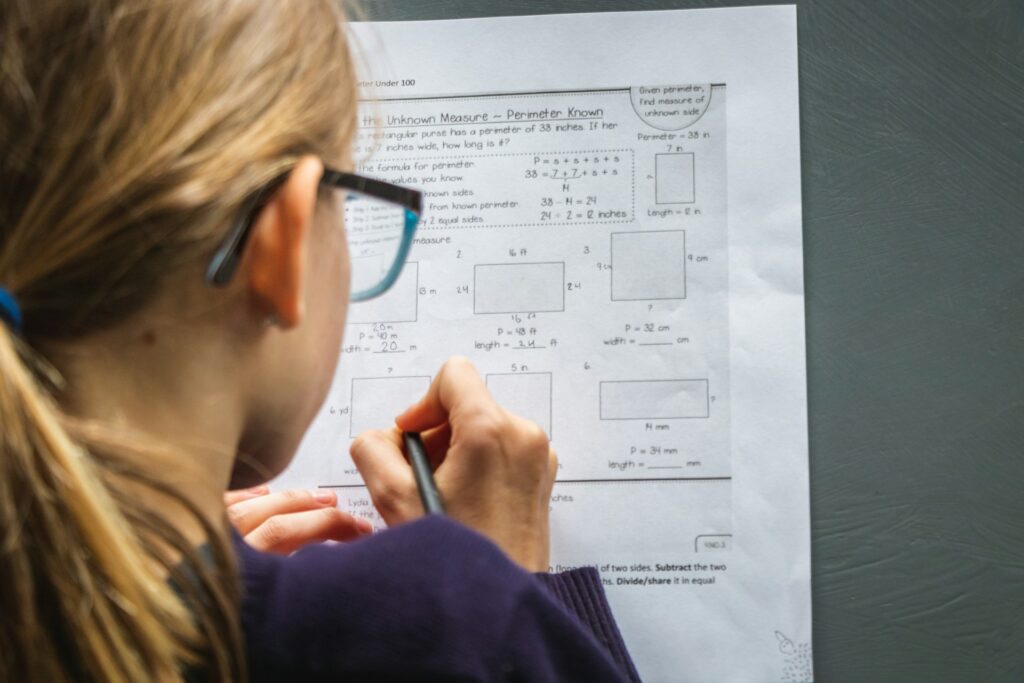
UKMT competitions aren’t your usual maths test. They’re more like a thinking challenge where students are asked to spot patterns and puzzle things out. Instead of only checking if someone can remember facts or follow steps, these problems test how well pupils can reason, guess smartly, and try different ideas. These competitions often feel different from the normal school day. The questions are shorter, but the thinking behind them can be deep. For many pupils, it’s easy to panic when a question doesn’t look familiar right away. That’s why it helps to understand how these tests work. When students know what to expect, they feel more confident going in. They stop worrying about doing things “the usual way” and focus more on solving the problem in front of them. Not Just About Getting the Right Answer At school, most maths tests are about showing the right method to get a clear answer. You write out your steps, check your work, and the mark mostly depends on what you get in the end. UKMT competitions flip this on its head a bit. These questions often come with multiple-choice answers. That might seem easier at first, but it’s not always the case. What makes these problems tricky is that the real challenge isn’t just finding the answer, it’s spotting what the question is really asking. Sometimes, the hardest part is recognising what kind of maths fits the problem. Instead of repeating familiar methods, pupils are encouraged to: This means a pupil who thinks carefully, even if they feel unsure, might do better than someone who rushes through with a set method. That shift in focus can be refreshing, but it also takes practice. No Calculator? No Problem Unlike many school tests, most UKMT competitions don’t allow calculators. Everything is done on paper or in your head. At first, this might sound like a hassle, especially when large numbers pop up, but it’s actually part of the test’s clever design. Without a calculator, pupils are pushed to: In school tests, especially higher year groups, calculators are often brought in to deal with tougher sums. Here, pupils need to stay sharp without the extra help. But it’s not about doing long multiplication by hand. Often, the numbers are set so there’s a smart way to work through them if you look closely. When pupils stop relying on a machine and start thinking about the numbers themselves, they often surprise themselves. That’s part of what makes these tests feel so different and, for some, more enjoyable. The Clock Keeps Ticking UKMT tests are also short on time. With many questions and only a set amount of minutes to get through them, pupils need to be smart about how they manage their efforts. Unlike in the classroom, where a student might have time to work carefully through everything start to finish, here, speed and focus make a real difference. Most pupils find that: This time pressure can throw some pupils off at first. But learning strategies like answering easier questions first or taking a second to scan all the choices at the start really helps. We find that pupils who practise with a timer get used to the pace and start to feel much calmer during real competitions. A Mix of Topics, Not a Single Subject One big difference pupils notice quickly is that each question in a UKMT paper doesn’t just stick to one topic. That’s different from many regular tests, which might focus on area and perimeter, or just fractions. Here, you’ll get shape, algebra, number properties, and logic, often all mixed together. Sometimes, a question that looks like it’s about geometry may be solved with a bit of clever counting. Or a number puzzle might actually be about sequences. This means students are rewarded for being flexible with what they know, not just recalling a certain formula. This kind of structure encourages pupils to: It pushes students to think beyond the topic they’re covering in school that term. That can feel tough at first, but over time, it helps them build skills that stick, no matter the theme. Why Noticing the Format Helps You Feel Ready Once pupils understand how different UKMT competitions feel from classroom tests, the nerves can ease off. These questions aren’t always harder, they’re just different. They reward clear thinking, not just memorisation. They allow pupils to make smart choices about timing. They even expect a few guesses or skipped questions along the way. Expert Support for the UKMT Format When students learn that it’s okay to move past a tricky question and try another, or that thinking sideways might help more than solving the long way, their confidence grows. Suddenly, a surprising question isn’t something to fear. It’s just part of the challenge. Being comfortable with the format can help pupils walk into the room knowing they don’t need every answer to do well. They only need to spot the ones they can solve and take their time thinking clearly. We’ve seen pupils do better not by learning more maths but by learning to approach the questions differently. That shift makes a real difference. Is your child ready to embrace the challenges and excitement of UKMT competitions? At Learnfluid, our skilled tutors focus on building confidence through creative problem-solving and strategic thinking. We provide the tools and guidance needed to improve time management and logical reasoning skills, ensuring every student can approach each question with clarity and poise. Reach out to us today to unlock your child’s full potential in mathematics!
How to Keep Your Brain in Maths Mode Even Over the Summer Break

Summer break is a great time to rest and recharge, but after a few weeks off, it’s easy for maths to start feeling far away. Once the schoolwork stops, our brains take the break seriously too. For students who enjoy problem-solving or who want to stay ready for UKMT competitions, finding gentle ways to keep thinking mathematically can really help. It doesn’t need to be hard. It just needs to feel like part of everyday life. We often hear from parents who want to help their children stay mentally active during the holidays without making it feel like extra school. That’s where little habits make all the difference. A small bit of practise here and there keeps key ideas fresh so that when the autumn term begins again, your child won’t feel like they’re starting from scratch. Below, we’ve shared some simple ways to keep your child’s maths brain clicking along gently through the summer. Make Small Maths Moments Part of Your Day Some of the best maths thinking happens away from a desk. School tends to focus on worksheets and written answers, but there are plenty of ways to use maths in real-life moments over the holidays. We’ve noticed that short bursts of discussion work better than long sessions when it comes to keeping children engaged. Even a quick chat about the difference in petrol prices or how much to tip at a restaurant can turn into light, lively practice. It doesn’t have to be serious. The goal is to keep thinking sharp and maths language comfortable. Use Puzzles and Logic Games Just for Fun Summer is the perfect time to try out logical thinking through games and challenges that don’t feel like school. Sometimes the hardest part of practising is motivation. But when the maths comes in the form of a game, most children are happy to give it a try. The key here isn’t speed or accuracy. It’s the habit of solving problems for fun. Encouraging your child to stick with something tricky, even if the puzzle takes a bit of time, builds patience and sharpness, skills they’ll need when working on longer competition questions later. Keep UKMT-Style Thinking Warm If your child is planning to enter a maths challenge next term, summer is a good time to stay lightly connected to that way of thinking. UKMT competitions are known for their layered, curious questions that make you think differently, not just compute. You don’t have to start with full past papers. Just pick one or two questions and explore how they might begin. A good place to start is asking, “What’s going on here? What sort of maths might help?” Even talking through possible starting points can begin to build confidence. There’s no pressure to finish every question. Getting comfortable with this style of thinking is the point. This keeps those competition muscles working without putting your child under pressure during the holidays. Let Curiosity Lead the Way with Light Exploration Over the summer, some children might be drawn to bigger questions or observations about how numbers work in the world around them. If they start asking things like, “How do they know how tall a building is?” or “Why is a triangle that shape?” follow that spark of curiosity. This can be a light and positive way to connect maths with real life, especially during days when formal practice isn’t appealing. Let them wonder aloud. Often, the best thinking comes from not knowing the answer right away but still being willing to ask. Quiet exploring like this keeps the learning active inside, even when no pencil touches paper. Staying Ready Without Stress We don’t expect students to study all summer, but we do see how a bit of light thinking can help. By doing short and fun bits often, your child stays used to making sense of patterns, trying different strategies, and being okay with slow thinking. These are the habits that matter most for maths, and even more so for those aiming to be confident in UKMT competitions. Expert Summer Support for UK Pupils When September rolls around, it’s much easier to step back into problem-solving with ease if your mind has kept ticking gently along. Staying in maths mode over the summer doesn’t have to be formal. It just needs to help children keep seeing themselves as thinkers, and that can happen in all sorts of surprising, everyday moments. Help your child stay ahead and build confidence this summer by keeping their problem-solving skills sharp. At Learnfluid, we provide personalized guidance to help students excel in UKMT competitions. Our tailored approach ensures that your child develops strong reasoning abilities and stays motivated throughout the holidays. Reach out to us today to see how we can support your child’s journey to mathematical success.
Why Mistakes in Early UKMT Questions Affect Final Scores More Than You Think

In UKMT competitions, the early questions might look simple at first. They often feel like a warm-up before the more challenging problems come in. But many students make a mistake by rushing through them just to get to the harder ones. Even a small slip-up here can cause trouble later on. Think of it like missing the first step on the stairs, just enough to throw off your balance. That’s why those early questions deserve more attention than they often get. A single mistake in the beginning can shake a student’s confidence, drain time during later questions, or even change the final score by just a few points. And when everyone is aiming high, those few points really matter. Taking a little more care in the first few minutes can set a stronger pace for the rest of the test. It puts students on the right track from the start. Why Early Questions Are More Important Than They Seem We often hear that the first handful of questions in a test are the “easy” ones. While they may seem less complex, they still play a major part in how a student performs through the whole paper. Like anything in learning, early success builds trust in your own thinking. And that’s something you need if you want to stay focused until the end. The way a student handles early questions can affect their mindset. With every correct answer at the start, they feel prepared and ready to handle problems as they get harder. If a student hesitates or makes mistakes too soon, it can spill over into later questions, sometimes making them rush even more to catch up. The early wins add up, and keeping those few points safe can make all the difference to a student’s confidence and results. Common Mistakes Students Make in the First Few Questions It’s easy to see why early questions trip people up. They look simple. But that sometimes leads pupils to let their guard down when they really shouldn’t. In the rush to get through these questions, little details can be missed that end up causing larger problems later on. UKMT competitions are set up to reward careful thinking, not rushing. These early mistakes might only take a moment to make, but their impact lasts through the whole test. Often, students might also be using methods that are too complex for a simple problem. Sometimes, the urge to show working or jump to a hard formula can distract from seeing a quicker and simpler route. Focusing only on speed risks careless errors, while making things too complicated also leads to lost marks. The challenge is to find a balanced approach right from the start. How a Single Error Can Change Your Final Score Each point matters in UKMT competitions. Getting one or two more questions right can often be the difference between moving on to the next stage or not. This is why the very first questions carry as much weight as the tough ones at the back of the paper. The scores often add up quietly. Often, two students with nearly equal maths skill end up at different spots in the rankings because one missed a pair of earlier questions that looked easy. It isn’t just about the mark lost in the moment, but what happens next. If something goes wrong early, a student might try to go back and fix it later, wasting time that could be better spent elsewhere. Sometimes, an error or blank in the first section makes everything after feel less certain. The last few questions are usually designed to be hard, so having a strong start can give you extra confidence and energy just when you need it most. Spotting Key Clues Before Rushing Ahead One way to avoid these early mistakes is to slow down and look closely. That doesn’t mean going too slow. It just means giving yourself enough time to really read what’s in front of you. We’ve seen many students get better just by learning when to pause. That short breath before you answer can be what keeps you from missing the point entirely. Building the habit of slowing down and checking details early means you’re less likely to fall for simple traps. Teachers sometimes recommend reading a question twice, either in your head or quietly, before answering. Some students like to use scratch paper or their own set of symbols to highlight important words or values as they work. Even a small action like drawing a box around “except” or checking if the answer looks reasonable can stop lots of headaches before they start. Slowing down for just a second or two can keep those marks safe. Build Strong Habits From the First Question The best way to protect your final score is to start strong right from the first question. Careful reading, steady checking, and a calm pace help stop silly errors before they begin. That approach builds up your focus instead of draining it. Early questions in UKMT competitions shape your strategy for the whole paper. By starting out with solid habits, you create momentum that can carry you through even the hardest questions later on. Begin the test by reminding yourself to take a breath, read every question fully, and use your finger or pencil to follow the sentences if that helps. When you finish a question, take just a moment to confirm that the answer makes sense in your head before moving on. If you finish the earlier section faster than expected, use that extra time to double check your work. How you treat the first handful of problems can also act as a “practice run” for your brain, reminding you to use the methods that have worked well before. Regular practice with this kind of approach, whether at home or with a tutor, helps you walk into the real test with more confidence and less anxiety. The confidence you build from these small steps grows into a
Guide to Reading UKMT Instructions So You Don’t Miss Key Details

UKMT competitions can be a real confidence booster for young learners in the UK, especially those keen on stretching their maths skills beyond the classroom. But before the first question is even answered, there’s one part that can throw many off: the instructions. It’s easy to skim past them in a rush to get started, but that small moment of reading can make a surprising difference. We’ve seen how even strong pupils come unstuck by missing a rule or misunderstanding a direction. It happens, and it’s nothing to worry about. But learning how to spot those tiny details early can make the whole experience smoother and more enjoyable. Understanding the setup is part of performing well and feeling more in control. That’s why we think it’s worth slowing things down so you don’t miss something important before getting to work on the fun part, the questions. Why Instructions Matter More Than You’d Think When you’re taking part in something like a maths challenge, it’s easy to think the instructions are just a formality. But they’re actually the first proper step in the competition. They set the ground rules. Often these rules let you know how the questions should be answered or how marks are awarded. Missing just one sentence can change how you approach a problem, or, worse, affect your final score. It’s not about being perfect. It’s about giving yourself the best chance of doing your best. And once you learn to always check for these signposts, it starts to feel more natural. Looking at the Paper Step by Step That first moment when you’re handed the paper, or when you open it on screen, is when your focus should kick in. Start at the top. Scan it slowly. Check for: UKMT competitions can differ slightly by level. Junior, Intermediate, and Senior challenges don’t all follow the same pattern. The Junior paper might be multiple-choice, while a Senior paper might require full written answers. These differences are often explained right at the beginning, in the instructions. Give yourself a few calm seconds to take them in. Let your brain catch up before starting the work. Common Details Pupils Miss (And How to Catch Them) Even very sharp students miss things just by flipping too quickly through the start. Some of the most commonly skipped parts are things that seem too small to matter, but they do. Watch for these: These aren’t gotchas, they’re things that can help if you actually notice them. One good habit is to underline or lightly circle rules that feel important. You don’t need to overdo it. Just mark the bits that you know are easy to forget once the clock starts. Practising this kind of reading helps train your eye. Over time, you’ll find that you spot these details without needing reminders. What to Do If You’re Confused by the Wording Sometimes, the instructions on the page use more formal phrasing or uncommon words. That can make it hard to know what they’re asking. The best thing to do is slow down. Read the sentence again. Then ask yourself, what is this really telling me? We often suggest looking out for clue words: And here’s something to remember: It’s okay to skip a question if you’re stuck on its meaning. You can always come back to it. Sometimes the rest of the paper gives you clues on how things fit, which can help that tricky part make more sense later on. Don’t let one sentence throw your focus for the whole test. Confidence Starts with Careful Reading We’ve worked with many pupils over the years, and one thing is always true: reading the start of a paper well builds early confidence. Understanding the rules helps settle nerves. Reading the instructions carefully creates a smoother flow through the questions because you know what’s expected. Taking time to read might feel like it’s slowing you down, but it’s really speeding you up in the long run. You’re making fewer errors, and you’re planning your time more wisely. Those gains add up. And in UKMT competitions, where thinking matters more than speed, that calm focus can make all the difference. So next time you face a challenge paper, take a breath. Read what’s in front of you. Make sense of the rules before trying to solve the problems. It’s a simple step, but one that puts you in charge of how the rest of the paper goes. Preparing your eyes and your mind from the start helps turn nerves into steady thinking, and steady thinking helps you do your best. At Learnfluid, we know that mastering careful reading can turn stressful tests into achievable successes. Our expert tutors help students develop the skills needed to navigate the complexities of UKMT competitions with confidence. By focusing on understanding instructions and managing time wisely, we empower pupils to excel and enjoy their learning journey. Start building these essential skills today for a smarter approach to tackling maths challenges.
What to Try When You Get Stuck on the First Step of UKMT Problems

Sometimes, the hardest part of solving a maths problem is just getting started. That moment when you first look at a UKMT question and feel stuck can be frustrating. You’ve probably practised loads, but the first step just won’t come. You’re not alone, and it doesn’t mean you’re not good at this. UKMT competitions are made to stretch how you think, not just test what you know. So it’s completely normal to pause when you’re not sure what to do first. The good news is there are small things you can try to help your brain click into gear. This post walks through simple, helpful habits that can make those early steps feel less stressful and more doable. Give Yourself Permission to Pause It might sound odd, but stopping without giving up is one of the most useful things you can do. When something feels confusing, the temptation is to either stare at the problem for ages or quickly guess and move on. But pausing with purpose can reset your brain. Try reading the question again slowly. Notice one or two parts you didn’t pick up the first time. Jot down anything you do know, even if it feels simple. You might write: Sometimes, setting your pencil on the page, even if just to underline a word, is enough to get things moving. Giving yourself permission to slow down helps settle your nerves and sends the message to your brain that you are in control of how you approach the question. Even if the answer doesn’t come to you right away, just relaxing and taking one slow breath can help you notice something you missed before. It’s all about creating enough space to reset your thinking. Break the Question into Smaller Pieces All maths questions are made up of parts, but when you’re nervous or rushing, it’s easy to see them as one big, messy block. Instead of trying to solve the whole thing at once, break it into smaller steps. Start by asking yourself one simple question: What does this part mean? Maybe underline a phrase that sounds important. Highlight numbers, look at the units, or pick out anything that stands out on the page. Once you’ve done that, you’re already moving. Even if it feels tiny, progress adds up quickly when your brain starts connecting the dots. Think of a big question as a jigsaw puzzle. You’re not expected to click all the pieces together right away. The more you practise singling out even one part of a tricky question, a word, a number, or a hint, the sooner you’ll build the confidence to move forward. Breaking big challenges into bite-size pieces makes starting feel less scary. Think About What Area of Maths This Feels Like Not sure where to begin? Try asking yourself, “What topic does this remind me of?” Even just spotting the topic can help you choose a starting method. Is it geometry? Does it look like algebra? Are there number patterns? In UKMT competitions, questions often mix ideas from two or three areas, which is why they feel tricky. But even a small clue about the topic can direct where your next move should go. For example: Pick one method you know from that topic. Give it a go without worrying if it’s perfect. A rough start is almost always better than sitting frozen. Knowing where to look is sometimes as useful as knowing exactly what to do. By practising connecting questions to topics, you build a mental guide that you can use to get moving, even if you feel stuck. Sometimes, just deciding to work as if it’s a geometry problem is enough to begin. Use What You Already Know When questions look unfamiliar, it’s easy to forget that you have lots of useful knowledge already. Think back to similar problems you’ve worked on. Even if the problem feels different, the method might not be. Get into the habit of asking, “What does this remind me of?” Then, use that to try something small: Using small bits of what’s familiar helps your confidence too. Even if it doesn’t give the answer right away, it gives you ideas for what might come next. You might notice that you have seen a trick somewhere in a previous lesson, or maybe you once practised handling a similar set of numbers. Using your memory in this way gives you a new starting point, even if it isn’t exactly where you thought you’d begin. Each familiar idea puts your mind back in problem-solving mode. Jump into Rough Working Without Waiting for the Perfect Approach Perfection isn’t what gets you going. Action does. So if your brain is cycling through options but not settling on one, start with rough working. This could be: Mistakes don’t matter at this point. What matters is letting your pencil lead you into problem-solving mode. A half-finished diagram or equation is better than nothing on the page. Often, it’s what helps you realise what the question is really about. Starting something can lead to an idea that gets you closer to the answer, or at the very least, takes away some of the “stuck” feeling. Instead of waiting for the perfect way to begin, allow yourself to scribble or sketch thoughts. You’ll discover that it’s easier to fix and build upon something that’s already there, even if it started as a guess. Making the Start Feel Less Scary Next Time Getting stuck doesn’t mean you failed. It means the question is doing what it’s supposed to. The more we remind ourselves this is part of the challenge, the less stressed we feel next time it happens. The habits we build now, pausing, breaking things down, spotting clues, make it easier to handle that moment when the question first hits the page. The best way to grow more confident is to practise noticing the first clue that might get things moving. With time, your brain will learn to expect these puzzles, even welcome them.