
Easy-to-Miss Clues Hidden in UKMT Multiple Choice Questions

UKMT competitions don’t just test how well students know their maths, they check how well they pay attention to details too. This is especially true in the multiple choice rounds, where a small word or number can change everything. The questions are designed to challenge quick thinking, but sometimes rushing can lead to missed clues, and that’s often how smart pupils end up with unexpected answers. That’s why it helps to slow down and learn what to look for. Tiny details like wording, diagrams, or the shape of the answers can quietly point the way to the right choice. When pupils start to spot those details on their own, tricky problems start to feel more manageable. We’ve gathered some common examples of these hidden clues, the kind that are often easy to miss the first time around. Spotting them can make a big difference. Watch Out for Tricky Wording Some questions like to hide their twist in plain sight. Words like “not,” “least,” or “cannot” completely flip the meaning of what’s being asked. Skimming over them is one of the quickest ways to make a confident guess that turns out to be wrong. When questions are rushed, it’s easy to: Reading carefully isn’t just about avoiding mistakes. It’s a skill that pays off in every subject. In UKMT competitions, it’s what separates a rushed guess from a correct answer that comes with calm thinking. When pupils remind themselves to slow down, they often find the wording will highlight exactly what needs attention. Pausing to underline these key words helps cement their importance. That simple habit, repeated over time, can transform a quick scan into a focused read. It’s usually those extra few seconds spent noticing a “not” or a “least” that lead to a correct answer. Hidden Hints Inside the Answer Choices Sometimes, the answer options themselves hold subtle clues. They’re not just random numbers. They often follow a pattern or point to something in the setup of the question. Pupils who take a second to scan all the choices first can spot tricks that might hint at how to work backwards or what the question is really asking. Here are a few things we often notice: Looking at the answer choices can save time, especially when a problem is open to different solving routes. It can even guide pupils toward a faster method, which is helpful under time pressure. Sometimes, scanning the answers before starting the main calculation is enough to avoid common errors. For example, seeing all answers as fractions might hint at a proportion problem, while a spread of large and small numbers could signal a need for estimation. Making a habit of this quick scan helps sharpen a student’s test-taking instincts and allows them to approach problems with greater confidence. Clues Buried in Diagrams and Layouts Some multiple choice questions include diagrams that look simple but are packed with hidden details. These are not just there to decorate the page. They’re drawn with purpose, and the marks, labels, or lines can provide subtle hints if we know where to look. Things to watch for in diagrams: The trick is not to trust your eyes too much. It’s better to trust the information given. Sometimes, the real answer isn’t what the picture seems to show, but what the clues in the numbers or layout are telling you. Whenever a diagram appears simple, it’s worth checking every label and line carefully. Even a small marking can hint at a parallel line, equal angle, or matching side that changes the whole solution. UKMT questions often require reading the diagram alongside the wording, so being thorough when scanning both helps avoid missing simple clues. Recognising Hidden Connections Between Topics UKMT questions often blend ideas from different areas of maths. You might get a shape question that needs algebra, or a number puzzle that’s really about logic. When pupils expect just one topic, it’s easy to get stuck. Learning to spot these overlaps helps avoid that kind of stress. Some connections we often see include: Pupils who practise putting topics together tend to be more comfortable when a question feels unfamiliar. They’re used to thinking in more than one direction, which often helps find a quicker route through the problem. Over time, recognising these topic combinations becomes a valuable skill. If a maths problem feels strange or doesn’t fit the usual pattern, asking whether another area of maths is hiding in the question can break the block. Students gain an advantage by linking their knowledge rather than sticking to only one method. How Slowing Down Helps You Spot More Speed feels important in tests, but in tricky questions like these, slowing down at the right time can be a big help. It means fewer silly errors, more time to notice what the question is really saying, and a better shot at avoiding traps made to catch people rushing. Simple shifts in habit can make a real difference: Slowing down doesn’t always mean taking more time on every question. It means choosing the moments where that extra focus can catch something you would have otherwise missed. By pausing to check tricky wording, scanning diagrams, or reviewing written calculations, students improve both accuracy and understanding. These habits become second nature with regular practice, helping pupils choose wisely when to go slow and when to speed up. That flexible approach leads to stronger results than simply rushing through. Strengthening Confidence Through Practising the Small Things It’s normal to feel a bit thrown off when questions look different from what you’ve seen before. But building the habit of noticing the small clues helps that feeling pass more quickly. Practising this kind of careful thinking starts to make tough papers feel a little easier to handle. A few ways pupils can grow stronger over time include: Getting everything right isn’t the only goal, especially in UKMT competitions. The real progress often comes from noticing just one more thing than last time. That step forward is
Everything to Know About UKMT’s Follow-Up Rounds After the Main Test

UKMT competitions can be exciting to take part in. They challenge how we think, not just what we know. For many pupils, the main round is the part they have prepared for, studied around, and looked forward to. But then something surprising happens, some students get invited to another round. That is where the questions start. What is this next step? Who gets picked? And how is it different from what we have just done? We have put this guide together to help make the next part feel clearer. Whether your child moves on or not, knowing how these extra rounds work can make the whole experience feel easier to manage, and maybe even something to look forward to. What Happens After the Main UKMT Test Each UKMT competition, whether it is Junior, Intermediate, or Senior, starts with a main challenge paper. Students answer a set number of questions in a set time, usually with no calculator and often under test conditions. How students score on this main round matters. Top scorers might receive an invitation to a follow-up round, which can be a great chance to stretch their thinking even further. These follow-up rounds vary depending on age group: Just sitting the main challenge is already a big achievement. It starts to build the kind of maths confidence that shows up later in school or in other competitions. Understanding the Kangaroo Rounds The Kangaroo round feels like taking things one step further. It is not about trick questions, but about how creatively a student can apply what they know. Only those who score well enough in the main Junior or Intermediate challenge are invited. In the Kangaroo papers: We remind pupils not to overthink the jump from the main paper to this one. If they enjoyed the first round, they might enjoy these too, just give yourself time, keep a calm head, and practise a bit ahead of time if you are feeling unsure. What to Know About Olympiad Rounds The Olympiad rounds follow some of the UKMT competitions at a higher level. These are usually offered to the top scoring students and bring a new kind of challenge, longer papers, fewer questions, and lots more space to show your thinking. Here is what sets Olympiads apart: Working on Olympiad problems can take effort, but it often helps students grow as problem solvers. This is not about racing to the finish, it is about slowing down, thinking carefully, and trusting your process. How Preparing for Follow-Up Rounds Looks Different Preparing for regular maths tests often means going over formulas or practising question types. Follow-up rounds like the Kangaroo or Olympiad papers need a slightly different mindset. That is because these rounds test how well a student applies their thinking, not just whether they remember a method. We often suggest that learners shift their habits a bit: Confidence does not always come from knowing the right answer quickly. It grows from knowing how to explore an idea and not panic when something feels tricky at first. Why These Rounds Matter (Even if You Do Not Make It In) Many pupils feel let down if they do not get invited to the next round. That is normal, especially when they have worked hard. But the truth is, the main value of UKMT competitions does not stop at who qualifies. Hard questions teach us a lot, whether we get them right or not. They stretch the brain. They show us how to spot patterns faster. And they help us learn how to cope when answers do not come right away. Whether you move on or not, each paper leaves something behind that can help in the future. Taking the Next Step with Confidence At Learnfluid, we provide one-to-one online tutoring for pupils at all ages and stages, using AI-powered tools and real tutors to help each student build solid skills for every level of UKMT competitions. Getting invited to a follow-up round is a big deal, but it is not the final step. It is just one of many chances to keep learning and keep growing. What matters just as much is how your child takes on the challenge, patiently, thoughtfully, and with the mindset that mistakes are part of learning. The best preparation comes from steady habits. We have seen over and over that thoughtful working, rather than quick guessing, takes students much further. Enjoying a challenge and being open to learning from each question puts pupils in a stronger position for whatever comes next. Prepare your child for success beyond the first round with personalized support from Learnfluid. Whether they’re gearing up for a follow-up round or enhancing their skills overall, our expert tutors are ready to guide them through UKMT competitions. We focus on fostering steady skills and confident thinking, ensuring that each student can approach these challenges with poise and curiosity. Help your child take their next confident step in their maths journey with our tailored guidance.
Why Rushing to Solve UKMT Problems Often Backfires
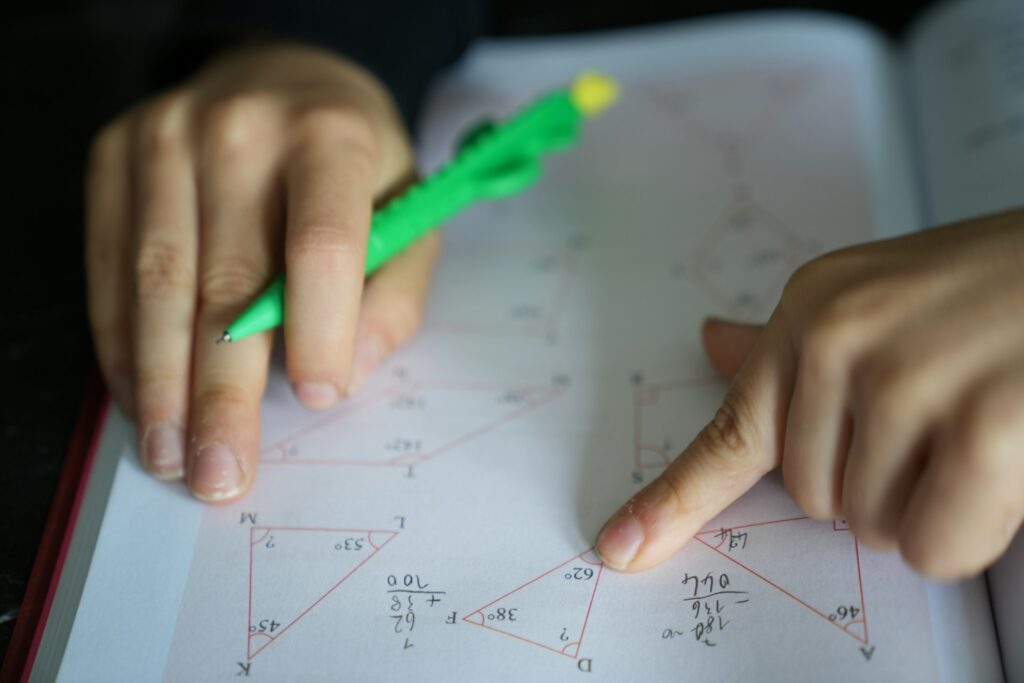
UKMT competitions challenge students to think in different ways, often under tight time limits. A lot of pupils try to go as fast as they can, hoping that speed means better results. It’s easy to think you’re doing well if you’re buzzing through questions. But often, rushing leads to small mistakes, skipped clues, or the wrong sort of problem-solving altogether. We’ve seen what happens when rushing takes over. Answers come out jumbled, thinking breaks down, and time still runs out. The truth is, slowing down doesn’t mean falling behind. If anything, thinking clearly and moving with purpose can lead to much stronger results. Here’s why slowing yourself down during UKMT problems can actually give you an edge. Stay Calm to Think Clearly When the clock is ticking, it’s tempting to jump into the first idea that comes to mind. But the faster we move, the more likely we are to miss something important. Many UKMT questions have small details that matter a lot. If we’re racing through, we might not even notice what the question is really asking. The brain works better when it’s not under pressure to hurry. It has more space for logic, memory, and creativity. We always tell learners that slowing down is not about working slowly, it’s about thinking clearly. The best thinking often comes when we’re not rushing to get straight to the answer. The Problem with Guessing Too Fast Guessing might help in a guessing game. But in UKMT-style questions, quick guesses often miss the point. These aren’t the sort of problems you solve by jumping to conclusions. They want pupils to notice patterns, stay focused, and build an answer step by step. It’s hard to double check when we feel like there’s no time. But in most practice sessions, pupils realise the extra moment they take on a hard question costs less time than fixing avoidable mistakes. We always remind them: it’s not how fast you guess, it’s how sure you are that the guess fits. Hard Problems Need Better Thinking, Not Faster Tries Some of the biggest mistakes happen when we treat a hard problem like a race. These puzzles are hard for a reason, they’re meant to get us thinking in new ways. That often takes time, and that’s okay. When we rush into the first method we know, we often close off better ideas. A fast try feels like progress, but if it doesn’t work, we’ve often used up energy and time for nothing. We’ve found that pupils who pause, sketch a plan, or just read the question again are more likely to reach the answer. One calm minute spent thinking is often better than three rushed minutes redoing. Practice Helps You Plan, Not Panic Practising under calm conditions helps build habits that make the real thing feel less stressful. When we train our brain to think without rushing, it gets used to what strong problem solving feels like. That’s why we talk not just about solving problems, but about timing them. When learners know which types of questions slow them down, they become better at recognising how to adjust their pace. Learners who practise with a sense of pace, not speed, do better in the long run. That practice builds not just knowledge, but control over how they use it. Clear Thinking Wins More Than Quick Guessing The best results don’t come from pupils who finish first. They come from those who understand the problems and take calm, clear steps to solve them. It’s not that they never feel pressure. It’s that they’ve trained themselves to stay steady when it counts. UKMT competitions reward good thinking, not just fast answering. Each tricky puzzle is a test of focus as well as maths. When pupils see problems clearly, they choose better steps, check their work more often, and leave less room for mistakes. We’ve seen learners build that clarity week by week, just with small changes to how they approach hard questions. When the focus shifts from speed to strategy, the results tend to follow. Slowing down doesn’t mean doing less. It often means doing it better. Want to master the art of problem-solving and make UKMT competitions feel less daunting? Learnfluid’s expert tutors are ready to guide you through each step with personalized strategies that promote calm, steady thinking. Our approach combines live guidance with advanced tools, helping pupils develop lasting focus and confidence. Discover how small changes in strategy can lead to big improvements today!
Question-Based Maths Diagnostic Tests for Smarter GCSE Revision

Turn Guesswork Into a Smarter GCSE Maths Plan GCSE maths revision often starts with good intentions but no real plan. Students grab a textbook, open a random page, try a few past paper questions, then jump to a video that looks interesting. After an hour, they feel tired but are not sure what actually improved. This scattergun-style approach wastes precious evenings, especially as exams get closer. It is stressful for students and worrying for parents. The big problem is simple: if you do not know exactly where the gaps are, you feel like you need to revise everything. A question-based maths diagnostic test changes that. Instead of guessing, you get a clear picture of what is strong and what needs work. At Learnfluid, we use smart, AI-supported diagnostics in 1:1 online tutoring to turn that vague panic of “I am bad at maths” into a focused, personal revision plan for UK students right up to GCSE and A-levels. What a Maths Diagnostic Test Actually Shows You A maths diagnostic test is not a random quiz. It is a planned set of questions that samples the key GCSE topics, from number and algebra to geometry, ratio and data. The goal is not to trick anyone. The goal is to reveal what the student really understands. A good diagnostic gives you several types of insight: This is why question choice matters. A strong diagnostic includes: By mixing these, you see if a student can only handle routine questions or if they can adapt what they know. This kind of clarity is especially helpful in late spring, when daylight lasts longer but revision time feels shorter. You do not want generic advice like “do more maths”. You want to know which exact parts of maths to focus on next week. From Results to a Weekly Revision Plan Once you have the diagnostic results, the real magic is what happens next. Raw scores are not very helpful on their own. You need to turn them into a plan that fits into real life, with school, sports and family time all mixed in. A simple way to start is to split topics into three lists: For example, algebra, ratio and graphs carry a lot of weight in GCSE exams. If a diagnostic shows many errors there, they go straight into the urgent fix list. Things like basic percentages or area might sit in quick wins or maintain, depending on the results. Once topics are sorted, each revision session can have a clear purpose: This stops revision from turning into aimless note-reading. Parents also gain a clearer view. Instead of saying “maths is not going well”, you can have focused chats with teachers or tutors about specific areas, like “we want to see measurable progress in algebraic fractions over the next two weeks”. Why Question-Based Diagnostics Beat Generic Revision Many students fall into the same revision traps. They re-read exercise books, highlight revision guides, or only tackle topics they already enjoy. It feels safe, but it hides big gaps. A targeted maths diagnostic test breaks that pattern. Well-chosen questions shine a light on skills that passive revision glosses over, especially: When students see clearly where marks are lost, they can focus on fixing those points, rather than just doing more of everything. There is also a real motivational boost when they retake a short diagnostic later. Answering a type of question that felt impossible last week, and now feels fine, is powerful. It turns “I am bad at this” into “I can learn this”. In the final weeks before exams, this approach also helps with energy levels. Trying to complete full past papers every day is exhausting. A short, focused diagnostic every week or so, followed by targeted practice, gives better progress with less burnout. You still use past papers, but in a smarter way, picking the questions that match the diagnostic results. How Learnfluid Uses AI to Personalise Your Child’s Path At Learnfluid, our 1:1 online tutoring starts with a question-based maths diagnostic test that is carefully matched to the student’s level, from Year 6 right through to GCSE and A-levels. We work with students across the UK, so we understand the pressure that builds as exam season gets closer, especially when the weather warms up and focus is harder to keep. Here is how we blend AI with human teaching: The AI helps us spot details quickly, like repeated sign errors, struggle with ratio in worded problems, or timing issues on non-calculator questions. It then suggests tailored practice sequences. The tutor uses this as a base, adds their own judgement, and adapts in real time as the student works through problems. Because the starting point is a focused diagnostic session, we do not waste time. In busy weeks, that can save hours of unfocused revision. Students and parents can see a clear set of priorities, rather than a long, scary list of everything on the syllabus. Start Smarter Revision with a Targeted Check The best time to run a maths diagnostic test is before panic hits. Waiting for mock or final exam results to show problems often means there is less time to fix them. A short, question-based check now can show exactly where to put effort in the coming weeks. A simple next step is to take a focused diagnostic test, then sit down with a tutor to unpack the results. From there, you can build a three-week action plan that blends: At Learnfluid, we believe revision should feel clear, not chaotic. With AI-supported, question-based diagnostics and 1:1 online tutoring in maths, physics, chemistry and biology, students can turn those last weeks before exams into smart, structured work instead of stressful guesswork. Discover Exactly What Maths Support Your Child Needs Today If you are ready to pinpoint your child’s strengths and gaps in maths, we can help you get clear, reliable answers in minutes. At Learnfluid we use a research-based math diagnostic test to build a personalised learning path that actually matches
What Makes a Good UKMT Practice Question for After School

After-school time can be a great window for quiet focus. It’s often less rushed than lesson time and still close enough to the classroom that ideas are fresh. When a pupil is getting ready for UKMT competitions, fitting in small, steady moments of reflection after school can really help. But not all practice questions work the same way. Some stretch thinking in good ways, others just repeat the same routine. Choosing the right kind of question can make a big difference, especially when energy and attention are lower. So, what should we be looking for? The time after school is a unique chance to build on what was learned during lessons, especially when the environment feels relaxed and without pressure. What a Helpful Practice Question Looks Like A good practice question helps a pupil think a bit harder, but not so much that they switch off. The best ones often fall in a spot between too simple and too confusing. We like to start with the pupil’s current stage and build slightly out ahead of that. Making sure each question provides a moment to stop and consider the different ways to solve it matters. Instead of repeating the same old drills, try to offer questions that nudge a pupil to think about something in a new way. If a pupil solves a question and says, “Ah, now I see,” that’s usually a sign it worked well. It means the question gave them a window into their own thinking, not just an answer. Sometimes, questions that seem simple at first can end up being the most helpful, opening doors to new ways of solving problems. Timing and Focus Matter After School After a full school day, long sessions often don’t land well. Pupils may be tired, hungry, or just need a break from sitting still. That’s why short practice slots can work better after school. We aim for questions that fit into 10 to 20 minutes and leave the pupil feeling like they got somewhere. It’s important to notice how a pupil feels after tackling a problem. When sessions are short and focused, pupils are more likely to come back wanting to try again next time. Some days, one smart question is all it takes to bring a bit more confidence. It helps to finish with more energy than when the session started. Even a quick discussion about what made a question interesting or tricky can boost motivation. Over time, these short bursts build up valuable habits. Picking Questions That Match What UKMT Competitions Ask UKMT competitions often ask pupils to look for patterns, logic, or careful steps that aren’t always obvious. Memorised methods don’t get very far. That’s why we practise with problems that ask a little more from the brain. Practising with UKMT-inspired questions is different from regular revision because they require active thinking and flexible problem-solving. When the question looks odd at first but starts to make sense as the pupil figures it out, that’s a great way to focus on. It’s not about speed here, but about flexible thinking. Pupils learn to look for clues, try different approaches, and adapt when their first idea doesn’t work out. Practising questions that mix different topics or use a sly twist helps pupils get ready for the kind of thinking UKMT enjoys testing. Making the Most of the Practice Session Doing the question is just part of it. Talking it through, pausing afterwards, and writing notes can turn that short practice into a much deeper kind of learning. After solving a practice question, encourage a short discussion about what was learned or spotted during the process. Sometimes, a few words scribbled in a notebook or a quick chat at the kitchen table can help ideas stick. We often encourage pupils to speak out loud as they explain their steps. When they can hear their own thinking, it sticks better. It also helps catch habits like guessing or skipping steps without noticing. By taking a few moments to reflect or write, pupils get better at recognising patterns or common traps in questions. This gentle habit becomes part of learning, helping with bigger challenges later on. Choosing for Confidence, Not Just Challenge We all want pupils to be stretched, but not every question needs to be a huge jump. Confidence grows when they solve a problem they didn’t expect to get right or when they spot a smart move all on their own. Choosing the right level of difficulty matters because success builds confidence. Pupils notice their progress best when they can look back and see the kinds of questions that once felt tough now seem doable. Over time, this kind of balance creates a learner who is not only sharp but steady. The aim isn’t only to solve harder puzzles, but to grow self-belief along the way. Parents and tutors can help by celebrating these small wins and encouraging curiosity for the next challenge. Reminding students how far they’ve come and highlighting moments when they tried something brave can make after-school sessions feel rewarding and positive. Building Stronger Thinking, One Question at a Time After-school sessions don’t need to be long to work. One well-chosen question can spark 10 minutes of solid learning. And when a pupil sees how small choices add up, it gets easier to stick with it. What we’re really building is more than just problem-solving. We’re growing habits that help turn a rushed guess into careful thinking. Regular puzzle practice builds skills for school, competitions, and everyday confidence. With smart picks and steady steps, we help pupils shape the kind of focus that lasts all the way through a full UKMT paper, and beyond. By seeing progress from week to week, pupils start to own their learning routine and trust their ability to handle new questions. Over time, these steady learning blocks grow into lasting confidence and problem-solving skills that are valuable far beyond the next competition. At Learnfluid, we understand that the path to achieving
How to Deal With UKMT Time Pressure Without Losing Track

Time pressure in UKMT competitions is something many pupils feel right away. It starts the moment that paper hits the desk and the clock begins ticking. Even those who’ve practised well can suddenly forget where to start or rush through a question just to feel like they’re making progress. What makes it more frustrating is feeling like the brain is ready but the minutes are slipping too fast. We know this pressure can make it harder to focus and hold on to steady thinking. But with a few small shifts in approach, pupils can learn how to stay calm, keep moving at a good pace, and even make better decisions under the clock. Let’s look at how to build those habits in a way that feels clear and doable, no overthinking required. Why Time Pressure Feels So Strong UKMT questions aren’t just about knowing Maths. They’re about thinking in tricky, thoughtful ways. Some problems feel like puzzles you need to sit with. Others ask you to notice patterns or clever steps that don’t come right away. That’s where the pressure comes in, not just solving the question but deciding how much time to give it. When a timer is ticking, it’s easy to start guessing too fast or skipping around the page without finishing a thought. That sense of rushing interrupts focus. And once a question feels “too hard,” a pupil might either stare at it for too long or jump ahead without giving it a real try. We remind learners that feeling stuck or rushed doesn’t mean they’re behind. It often means they’re thinking in a deeper way. Pressure feels strong because they care about doing well. The skill to practise is not speed. It’s steady thinking that stays with the question, even when the minutes feel short. Practising with a Timer Without Stress The timer isn’t the problem. It’s how we think about the timer that makes it stressful. That’s why building familiarity with timed puzzles is one of the easiest ways to make things less intense. The goal isn’t to finish every question. It’s to learn how long puzzles usually take and which ones tend to slow you down. These short, gentle exercises make a full-length paper feel less overwhelming later. If you approach timers as a regular part of practice, they start to feel less like a threat and more like a helpful tool for learning about your own pace. When you get used to working with a timer in low-pressure settings, you develop your own sense of how much time to spend on different question types. This makes the official competition timer feel just like a normal part of doing Maths. Spotting When to Move On Sometimes staying stuck is more costly than moving on. The skill of knowing “I’ve spent enough time here” can be just as helpful as solving the question itself. Here’s how we help pupils know when to switch tasks: Moving on doesn’t mean giving up. It means protecting time and mental energy for the rest of the paper. When a tricky puzzle gets space to rest at the back of your mind, a better idea may come later, often when you’re not staring directly at it. Another way to support this is to use habits that help you track which questions need a second look. By labelling questions or making a simple mark, you don’t have to remember every detail as you work through the paper. This small trick allows you to revisit tough spots with more confidence and fresh eyes when you return later. Keeping Thoughts in One Place During the Test Staying focused in a timed setting isn’t about ignoring the clock. It’s about not letting your thoughts scatter when the brain feels pulled in all directions. This kind of calm movement across the page keeps the pupil rooted in their own plan, not just reacting to pressure. It helps make sure no part of the test gets rushed or forgotten. Creating a basic plan for how you will work through the paper, such as moving section by section or keeping a steady pace, helps you avoid feeling overwhelmed. The test environment will always have some pressure, but by returning to your own rhythm and markers, you are less likely to make small mistakes or skip essential details. Getting Better at Quick Thinking Without Rushing Fast thinking doesn’t always mean rushed thinking. We help pupils notice the difference. Rushed thinking feels panicked and shaky. Quick thinking feels firm, like knowing what a question wants just from reading the first two lines. To grow that kind of thinking, we suggest: With regular practice, certain puzzle patterns start to become more familiar. When that happens, thinking speeds up, not because the pupil is working harder, but because their brain recognises steps more quickly. It’s also helpful to discuss what quick thinking looks like. Often, it’s the result of repeated practice, not just “being quick” by nature. By trying out a few problems in a set time, explaining steps aloud, and switching up the types of questions practised, pupils learn to spot patterns and improve their pace naturally. Over time, their confidence grows, and the urge to rush drops. A Calm Mind Solves More Than a Rushed One Time pressure in UKMT competitions doesn’t have to be a roadblock. It often becomes another skill, like careful reading or spotting patterns, that pupils can practise with the same care as any Maths topic. Calm isn’t something we ask pupils to “just have.” It’s something we support them to build session by session. The more they see what helps their focus, the more steady their pacing becomes. When that happens, the pressure fades into the background, and there’s more space for clear, thoughtful problem-solving. Building a calm approach requires patience and regular reflection. After each timed session, pupils can look back and ask which strategies supported their focus or which times they felt distracted or hurried. This kind of gentle self-check helps
A Step-by-Step Look at Common UKMT Visual Puzzles
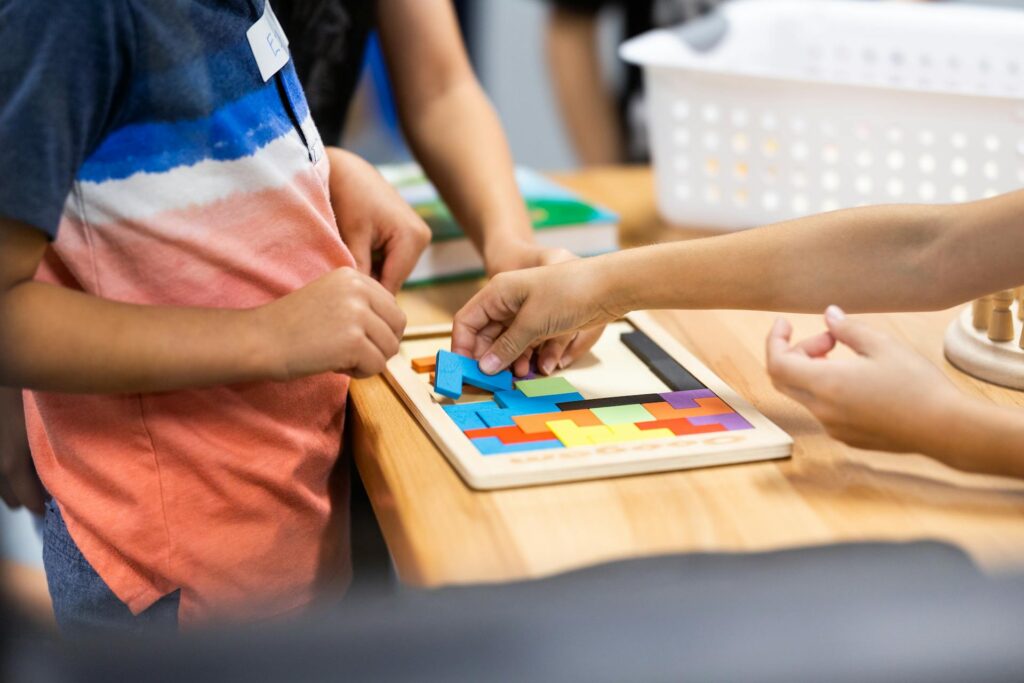
Visual puzzles in UKMT competitions often catch pupils by surprise. They don’t follow the usual number rules and sometimes don’t even look like maths questions at all. Instead of asking for a clear calculation, these puzzles ask pupils to spot patterns, notice what’s missing, or solve a problem using shapes and space. We’ve noticed that even strong Maths students can feel unsure when they meet a visual puzzle for the first time. That’s normal. These puzzles work a different part of the brain. The good news is that once you know what to look for, they start to feel less tricky. Let’s go step by step through some of the most common types of visual puzzles and what helps when practising them. Understanding Visual Puzzles in UKMT Practice Visual puzzles aren’t just about looks, they rely on logic and observation. You’ll often find patterns made of shapes, changes in direction, or parts of pictures missing. These challenges focus more on recognising visual rules than following steps with numbers. They might ask you to: In UKMT competitions, these questions usually show up alongside the numerical ones. They come without warning, so being able to switch quickly between number thinking and picture thinking is part of the challenge. That skill takes practice just like anything else. Recognising where your thinking needs to slow down is an early step in getting better at them. Pattern Grids and Missing Pieces Puzzles involving grids with shapes or patterns are a regular feature. A square might have three rows and three columns, with all but one of the sections filled. Your task is to find the missing piece. Most of these puzzles follow hidden rules. Some move side to side, others go top to bottom, and some work both ways at once. To solve these, it helps to: The trick is not to rush. Taking a minute to look carefully can save time in the long run. Sometimes the answer feels obvious after a second look. Sometimes you might not see the solution right away. Try covering up a part of the grid and then reveal it slowly. This will let you focus on one section at a time, making it easier to spot the rule. Rotation, Reflection, and Symmetry Some puzzles shift how the shape is facing. This could mean turning it, flipping it, or finding a match that looks different on the surface but is actually the same once turned. Many pupils rush these questions and choose something that looks close instead of testing the rotation. To practise skills in this area: These steps make it easier to notice when a puzzle is mixing turns and flips. Getting comfortable with these adjustments helps reduce guesswork. Approaching reflection and symmetry, look for lines that divide a shape into matching halves. Sometimes, a puzzle will hide the axis of symmetry, so gently fold the paper or use a straight edge to check if both sides line up. Recognising symmetry helps avoid picking answers that only look close but are not quite right. Shape Counting and Area Puzzles At first glance, puzzles that ask how many shapes you see in a diagram seem simple. But they’re often more complex than expected. There might be small triangles tucked inside bigger ones or overlapping squares that create new shapes together. The best way to approach these is by: Some puzzles make it harder by asking about shaded areas or combining two shape sets into one. Try working section by section instead of the whole picture at once. That makes the question feel more manageable. Double check your count by looking away for a moment, then returning to see if anything stands out. Sometimes, your brain will spot an extra triangle or square you missed before. Going carefully, one layer at a time, helps avoid simple mistakes. Trying Visual Puzzles Backwards or in Parts Sometimes when a puzzle feels stuck, looking at it from another direction helps. If you don’t know how to begin, try starting with the answer choices. Ask yourself which one makes sense inside the puzzle. Another strategy is breaking it into pieces. If a pattern seems too big, focus on the first row or two before looking across the whole. That way, the full image won’t feel overwhelming. It’s fine to be unsure at first. These puzzles aren’t about speed. Often, progress shows up slowly, the more you keep testing ideas, the more the logic begins to click. What felt random at first starts to make sense with time. You might also try sketching or drawing the shapes on a scrap piece of paper. That small act sometimes gives your brain a new way to spot differences or matches. If a pattern seems difficult, covering parts of it (like in the earlier grid section) can help your eyes focus only on what changes. Building Visual Puzzle Skills with Daily Practice Practising these puzzles bit by bit works better than trying to squeeze them all into the week before a UKMT round. A few each day keeps the thinking fresh and gives your brain time to notice new patterns. We suggest: Mistakes are part of learning here. Visual puzzles reward thoughtful effort, not memorised steps. We remind pupils that solving them is more about testing ideas and building patience than rushing to an answer. If you come across a puzzle that seems impossible today, it often becomes easier the next time you check. This is your brain learning a new trick. Spread your practice over weeks for the best results. Step by step, puzzles that once felt impossible will begin to feel like fun challenges instead. Stay Curious When Puzzles Look Strange Some UKMT visual questions don’t look like anything you’ve seen before. That’s done on purpose to check how pupils react when there’s no clear clue. In those moments, it helps to stay calm and curious. Pupils who pause, ask small questions, and keep playing with ideas often find the answer in the second or
Why Some Learners Plateau in UKMT Prep and How to Keep Going

Preparing for UKMT competitions often starts with a burst of energy. Pupils feel excited, hopeful, and motivated to get stuck into the puzzles ahead. But after a while, many hit a bump. They keep practising but no longer feel like they’re getting better. Questions that once seemed like fun puzzles start to feel more like obstacles, and confidence can slip. This phase of practice is more common than it seems. Progress doesn’t always move in a straight line, and it’s normal to slow down once the easy gains have been made. What matters next is how we help pupils shift approach without giving up. There are ways to stir thinking back to life gently, without making things harder or adding pressure. What It Looks Like When Progress Slows At first, it’s easy to feel improvement just by showing up and solving problems. But as time goes on, pupils might notice their scores level off. They’re still working hard but don’t feel like things are moving forward. Their answers seem fine, but trickier questions stay just out of reach. Some of the signs look like this: This doesn’t mean anything is wrong. Often, it’s a sign the early review phase is done. At this stage, what unlocks progress isn’t more of the same but a deeper style of thinking. Memorising steps can only take someone so far. Now it’s about exploring the “why” behind the methods and building patterns of reasoning that aren’t taught in the usual way. Common Roadblocks in UKMT Practice It’s easy to fall into habits that feel helpful but slow growth over time. One common one is leaning too hard on shortcuts that worked in earlier papers, hoping the same trick works again. It might lead to a few quick answers, but it doesn’t build problem-solving skills for questions that twist or change form. Another block happens when pupils worry about getting stuck. When harder puzzles pop up, it’s tempting to peek at the answer rather than sitting with the problem. But speeding past the struggle means missing what the question is really trying to teach. Here are a few patterns that tend to hold learners back: Recognising these roadblocks isn’t about blame. It’s about quietly noticing where things feel stuck and gently nudging the brain into trying something different. How to Challenge the Brain in New Ways Switching gears can give a pupil the mental boost they need. This doesn’t mean making practice harder, it means changing it in a way that refreshes attention and curiosity. UKMT competitions are full of different question styles, so mixing these can be a great way to train the brain to approach problems from more than one angle. Some ideas to try: Making mistakes during these trials matters more than getting every answer right. This kind of challenge helps the brain stretch and strengthens future thinking, even if there’s no perfect score at the end of the session. Creating a Practice Routine That Stays Interesting When mental energy starts to dip, long sessions of repetition won’t help as much as shorter bursts with variety. Changing the pace and content helps learning stay sharp and gives pupils space to be curious again. This kind of rhythm often works well: This helps pupils track the smaller steps of progress that often get missed. It’s easier to stay motivated when we see slow improvement, even just remembering how to approach a question once left blank. Keeping Confidence Strong During Practice Gaps Plateaus can feel heavy. Pupils may wonder if they’ve reached their limit or even feel like quitting UKMT prep altogether. But here’s something that helps: many real breakthroughs creep in after a slow phase. Those middle bits, where it feels like nothing’s shifting, often come just before a deeper change in how a pupil thinks. We can help by staying steady when confidence dips. Encouraging a pupil to notice effort rather than just results reminds them that slow learning is still learning. Sometimes, stepping back a little is how we find the way forward. Moving Forward with Calm and Curiosity All learners hit pauses in progress, especially with thinking-based challenges like UKMT competitions. It isn’t a sign of weakness. It’s a part of working on something that doesn’t always have a straight path. The real skill is learning to stay calm and keep going, even when nothing seems to be changing right away. UKMT prizes quiet thinking more than quick answers. It’s not about racing to finish or finding neat tricks to solve problems faster. It’s about staying curious, asking yourself why a puzzle works the way it does, and being willing to try again with a new approach. Instead of aiming for huge leaps, we can help pupils look for small signs: one hard question that feels slightly more doable, or a new way of explaining their steps aloud. These add up. With patience and flexibility, a slow phase becomes part of the pathway forward. In the process, pupils might notice new strengths that weren’t obvious before. Being able to work through uncomfortable moments is a skill in itself. Over time, these experiences make learners better at tackling not just UKMT problems, but any subject that requires creativity and resilience. Keeping a calm and flexible mindset lets pupils see slow periods as part of a bigger learning picture, allowing steady improvement even when results aren’t immediate. If your child is experiencing a plateau in their UKMT competitions practice, our tailored approach at Learnfluid could be the solution they need. By introducing new strategies and varying problem styles, we keep learning fresh and engaging, helping to rebuild motivation and confidence. Our expert guidance transforms periods of stagnation into opportunities for growth, fostering resilience and curiosity in every learner. Let us help your child find their way forward with renewed enthusiasm.
When to Switch Topics During UKMT Practice to Avoid Blockers
When pupils prepare for UKMT competitions, they often start off strong. But after a while, it’s easy to get stuck practising the same kind of problem without much progress. That can feel frustrating, especially when the questions get harder or more confusing. It’s not always about the maths being too difficult. Sometimes, the brain just needs a new way to stay active. Switching topics during practice might seem like a small change, but it can make a big difference. It gives the brain a break while still keeping it focused. Knowing when and how to make those switches can help pupils avoid getting blocked and keep learning in a smoother, more thoughtful way. Knowing When Practice Gets Stuck Everyone gets stuck now and then, especially when doing something tricky. But when it keeps happening during UKMT prep, that might be a sign it’s time to change things up. Getting blocked looks different for different pupils, but there are a few common signs to pay attention to: It’s easy to keep going because we feel like we should finish what we start. But sometimes, stepping back and picking something different is smarter. It doesn’t have to mean stopping completely. It just means giving the brain a chance to shift gears and come back later with fresh eyes. How Switching Topics Helps Freshen Thinking Working on different types of questions helps open up new ways of thinking. UKMT competitions mix word problems, number logic, space and shape puzzles, and more. Sticking with just one type can wear the brain out. Switching topics keeps things balanced and keeps mental energy going longer. For example, if a pupil’s been working on geometry questions for half an hour and they’ve hit a wall, a few number puzzles or quick logic bits might be just enough to refresh their thinking. It isn’t about jumping around too much. It’s more about finding the right time to ease into something else while still moving forward. Here are some changes that often help: When pupils learn to take these small steps in practice, it builds the same habits they’ll use during the real competition: staying calm, staying curious, and not giving up too early. Gentle Ways to Make a Topic Switch Making a switch doesn’t need to feel like a big deal. With a few simple habits, pupils can move between topics without losing focus or getting sidetracked. One of the easiest tools is a basic timer. Try setting it for 20 or 30 minutes of focus on one type, then use the next chunk to work on something else. Another idea is to keep a short list of different problem categories. If something’s not working after a bit, use the list to move to the next one. That way, you’re guiding your own learning without having to make a big decision each time. A few tips to help these switches feel easy: When we view practice as a way to keep thinking rather than just solving problems, it gets easier to make these small shifts without losing track of progress. Helping Pupils Notice Their Own Best Rhythm Every learner finds their own rhythm with time, but we can guide that by paying attention to what works. Some pupils might focus well for 40 minutes before tiring out. Others may need a change after just 15. The key is helping them notice what feels best and what slows them down. Encourage short notes after each session. What felt clear? When did thinking start to feel muddy? What seemed to help most, was it the switch, the timing, or something else? Some ways we help pupils tune in to their own rhythm include: Learning to spot that shift from “challenging” to “stuck” lets pupils make calm changes in the moment. That’s a skill they can use during timed papers, revision, or any big learning task. Guiding pupils to recognise their own learning preferences helps them build a toolkit for more than just maths. For example, when a pupil can see that their focus fades after a certain type of question or a set amount of time, they are more empowered to make the right decision about what comes next. Sometimes, a shift doesn’t even mean changing topics but simply standing up, getting a quick drink, or switching to a different part of a big problem. Giving themselves permission to do what works can make learning much more effective in the long run. Building Real Strength Through Small Changes Switching topics during practice isn’t about doing more work or solving every type of question. It’s about helping pupils stay aware, adaptable, and engaged. Those are the same skills that support their best thinking during UKMT competitions and beyond. When pupils learn to make small shifts as needed, they build the kind of focus that stays strong under pressure. They begin to trust their own process and stay more open to tricky puzzles, even when answers don’t come right away. Even outside of maths, this kind of flexible thinking tends to show up in other parts of schoolwork and everyday problem-solving. By encouraging calm topic switches and self-reflection, we’re supporting learning habits that grow deeper with time. Small, thoughtful changes in approach can create lasting habits. As pupils grow more comfortable with noticing when a switch is needed, they start treating all kinds of challenges as opportunities rather than problems. With practice, this ability to switch gracefully, rather than stubbornly pushing through, translates to resilience and adaptability in other academic subjects and in life. Over time, quick topic changes become not just a practice strategy, but part of a confident mindset about learning and tackling the unexpected. Prepare your child to excel and feel confident during their UKMT competitions with Learnfluid’s expert guidance. Our personalized strategies focus on developing flexible thinking habits to tackle tricky problems and manage time effectively. Empower your learner with adaptable skills that will support them in the competition and beyond. Reach out today to discover how
UKMT Challenges vs Class Assessments: Why They Feel So Different

When pupils sit a classroom maths test, they usually know what to expect. They have seen the question style, practised similar problems in lessons, and often just need to remember the steps. But when they face UKMT competitions in the spring, it can feel like a completely different subject. Even bright pupils might get thrown off by questions that look nothing like what they are used to. We know how confusing that can be. UKMT challenges are supposed to stretch thinking, not follow the usual routine. That is where many pupils start to feel unsure. They wonder why they are suddenly stuck, why the answer does not appear the usual way, or why time feels like it is slipping too fast. We are here to talk about those differences and what they show us about how pupils think, not just what they know. Class Assessments: What Pupils Are Used To In most school maths tests, pupils solve problems that match the topics they have just been learning. The setup is straightforward. Find the right method, plug in the numbers, write the answer. Most pupils know the pattern. This kind of test feels reliable. When pupils practise enough exercises, they start to feel confident predicting what will be asked. When they score well, it confirms what they have learned in class is going well. So, stepping into something like a UKMT can feel like the rules just changed. UKMT Questions: Puzzles, Not Just Problems UKMT competitions are not about repeating what you have been shown in class. They are packed with puzzles that ask you to notice patterns, test ideas, or look at a number in a different way. The maths is there, but it is wrapped in something that feels more like a riddle. This switch makes many pupils second-guess themselves. It is not that they do not understand the content. It is that the question asks them to think without telling them how. That can feel odd when they are used to being told exactly what to do. UKMT rewards curiosity over memorising steps, which is not always how school maths feels. Many competitors find this change both unsettling and exciting. Suddenly, familiar maths looks different, and the usual shortcuts may not apply. This encourages a new way of approaching questions, one that is centered on exploration rather than routine. Pupils begin to realise that the route to the answer might not be direct or obvious, and that is normal. The Role of Time and Pressure A big difference between class tests and UKMT papers is timing. These competitions are short, with many questions packed into one hour. That pace can rattle pupils, especially when a tricky question shows up early. This time pressure creates a different kind of stress. In school, there is often time to pause, re-read, and check a final answer. In a UKMT, there is no room to coast. The harder the question feels, the more likely pupils are to freeze or guess. Even pupils who love maths can feel flustered when the usual strategies do not apply. Learning to manage time in these settings is just as important as the maths itself. More than just speed, it is about knowing when to move on, how to come back to a tough question, and not losing focus if one part feels impossible. This is quite unlike the pace of most class assessments, which are set up for careful, step-by-step work. Mindset Shift: From Getting It Right to Figuring It Out In school, the goal is usually to get the right answer as fast and accurately as possible. That is good practice for exams, but it does not always help when the question is not familiar. UKMT competitions ask something different. This sort of thinking can feel risky if a pupil ties their confidence to always being right. But learning to explore a problem step by step, even when it is unclear where it is going, is a powerful skill. Helping pupils shift their mindset from “Did I get the answer?” to “What do I notice?” can make these challenges feel a lot less scary. This change in mindset offers real value. Rather than just focusing on ticking off the correct answer, the process transforms into one where curiosity is rewarded. Pupils begin to look for clues within the question itself or try smaller steps that may not lead directly to the answer, but keep them moving forward. Mastering this skill helps pupils face unknown challenges in any subject, not just maths. Helping Pupils Tackle the Challenge If a pupil comes out of a UKMT paper feeling stuck or confused, that is not a failure. It is a clue. It shows where they might need new ways of approaching problems. Teachers and families can support that by helping pupils understand the style of the questions, not just the content. Regular practice with puzzle-style questions helps, but even more important is the habit of thinking in layers. Taking the time to explain what might be different about these problems helps tame the surprise. Sometimes, having a guide beside them who knows what to look for can make a real difference. It can be especially useful to look over questions after the paper and see what approach might work. Think together about which hints led toward the solution or where a misunderstanding crept in. This reflection encourages pupils to become better at recognising question patterns and tackling new puzzles with more confidence next time. Helping Pupils Stay Curious and Confident Taking part in UKMT competitions is not about showing off or proving who is best at maths. It is about encouraging pupils to stretch their thinking, take on new kinds of problems, and explore ideas they would not normally see in class. Supporting curiosity over perfection builds long-term confidence. Pupils begin to trust that they can try, stumble, and return to challenging problems with fresh ideas. This habit helps them become more resilient, not only in competitions,